Early Tombstones
Some of the earliest tombstones in the surrounding graveyard date from 1691. A number of stones include skull and crossbones imagery.
Explore the parish, church, families, records and rural life that shaped Crawfordjohn across many generations.
Early Crawfordjohn
Crawfordjohn, in the upper ward of Lanarkshire, dates back many centuries. Early references appear in charters during the time of Bishop Herbert, who held the See of Glasgow from 1147 to 1164, and during the reign of King Malcolm in the mid-twelfth century.
In 1260, Henry, Lord of Wiston, confirmed the church to the Abbey of Kelso. By around 1300, the name Crawfordjohn appears in records connected with the church and parish.
Records also show that a rector, Robert de Glendowyn, was in residence in 1450. Parish and presbytery records later preserve disputes, customs and everyday concerns from within the parish, including disagreements around burial practices within the church.
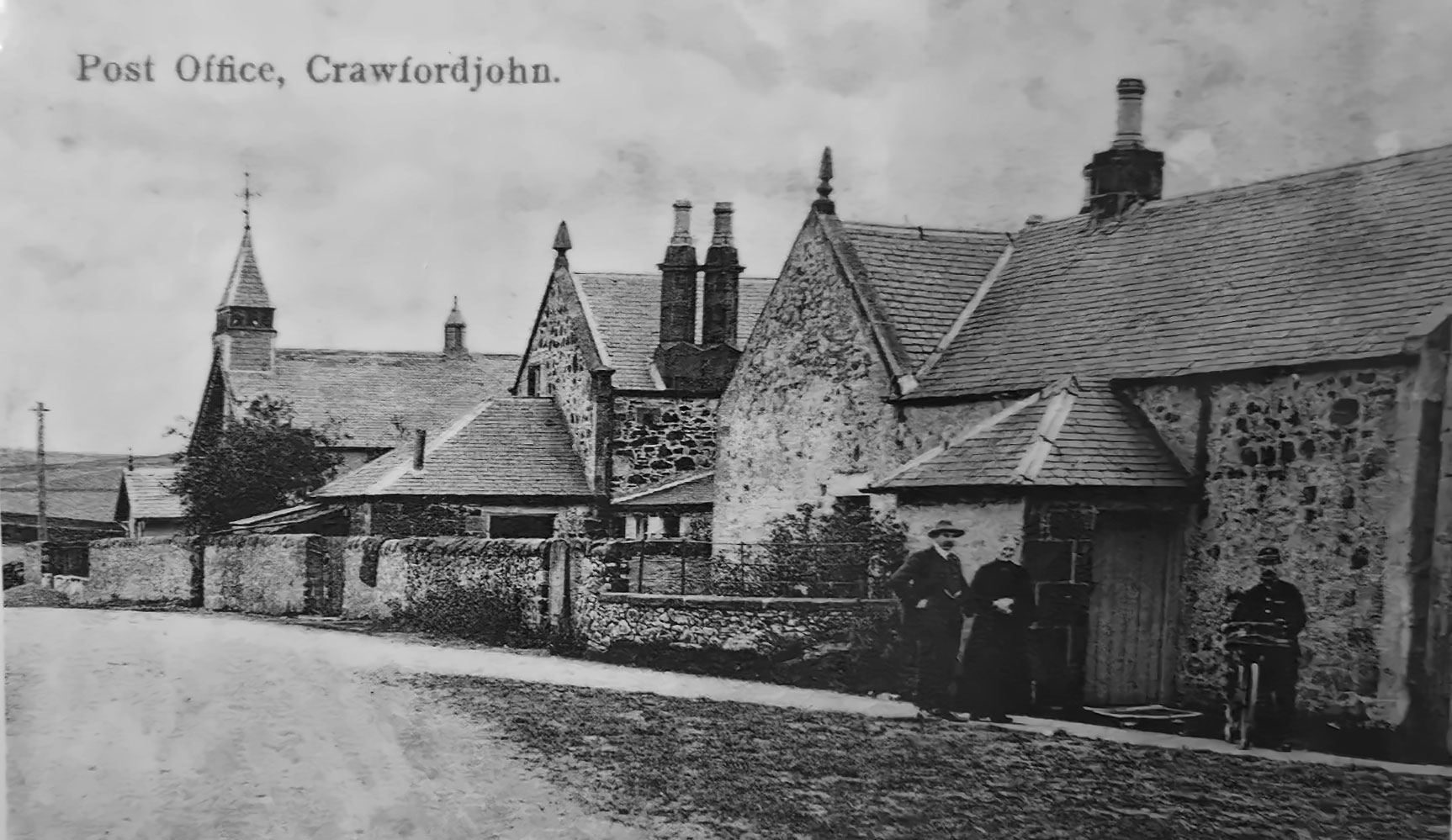
Through recorded history, Crawfordjohn has had many owners and lairds. Names connected with the area include John de Crawford, Sir Reginald de Crawford, Thomas de Moravia and David de Barclay.
Over the centuries, the barony was divided between families before being reunited in 1611 by James, second Marquis of Hamilton. It later passed to the Marquis of Linlithgow before being sold in 1700.
The estate was later acquired by Sir George Colebrooke. The Colebrooke family retained ownership of the barony and lands until the early twentieth century, when the estate was eventually put up for sale and gradually disposed of.
References noted on the original heritage site include George Haddow, Pictorial Guide 1907, and Irving & Murray 1864.
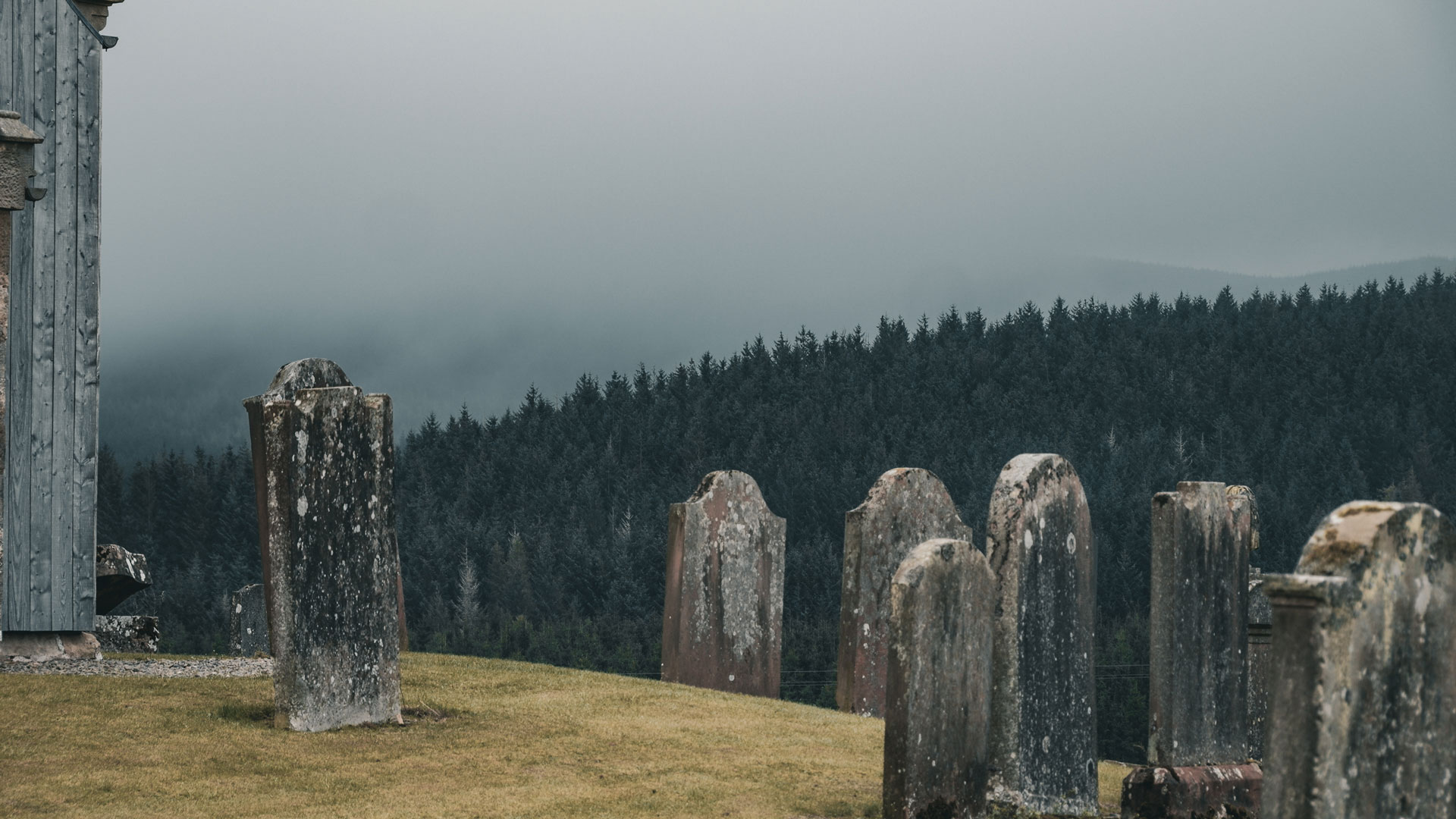
Church Origins
Ancient records show that Crawfordjohn has been a centre of worship since the twelfth century, when it was a chapel dependent on the church at Wiston, which was in turn linked back to the Abbey at Kelso.
Searches of the surrounding hills reveal stone circles and other evidence suggesting that people gathered in this landscape long before the present church building existed.
The site of the old kirk has been used in one form or another for centuries. The present building uses stones and foundations of greater antiquity, but the main building was erected in the nineteenth century. Early photographs show the later addition of an extension and porch.
Church History
During the seventeenth, eighteenth and nineteenth centuries, there were many changes in the form of worship used in the parish churches. These changes were imposed by political and religious leaders, not always without opposition from local congregations.
The Covenanting movement was strong in this area, and ministers chosen by local congregations were not always accepted by the authorities. In later years, congregations in nearby Roberton, Abington and Crawfordjohn were affected by wider divisions within the Church of Scotland.
When differences between dissenters and the established church were resolved in 1929, the minister of the United Free Church became minister for the whole congregation of Abington and Crawfordjohn, and the Free Churches ceased to be used.
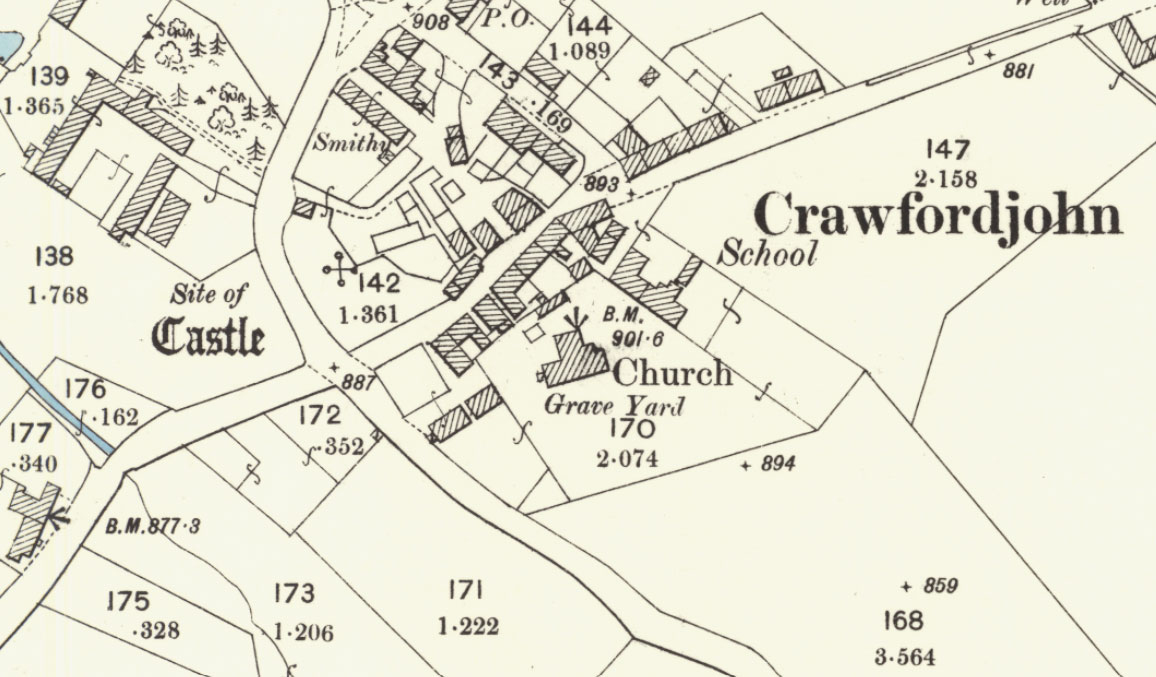
Some of the earliest tombstones in the surrounding graveyard date from 1691. A number of stones include skull and crossbones imagery.
A South Lanarkshire Countryside Ranger Service survey recorded 59 different species of lichen in the graveyard and surrounding area.
The museum has produced material on the churchyard, including monumental inscriptions, mortcloth references, war memorial names and a list of ministers.
In the 1970s, former parishes including Roberton, Wiston, Lamington, Crawfordjohn and Abington were united into a new parish called Duneaton, named after the tributary of the Clyde that flowed through much of the parish.
Crawfordjohn Church last held regular worship at Easter 1986. After the building was put on the market, a trust was formed which purchased it in 1988, and the museum began in the early part of 1991.
The former church building now houses Crawfordjohn Heritage Venture Museum. A second trust leases the premises from the original trust and manages the museum. There is also an Association of Friends which raises funds, organises social events and supports the life of the museum and community.
The museum holds and has produced a range of family history resources connected to Crawfordjohn and the surrounding parish. These include old parish register indexes, census material, churchyard inscriptions, mortcloth records, communicants’ rolls, valuation records and family history charts donated by members.
The Crawfordjohn Churchyard inscriptions were transcribed by museum volunteers and produced as a booklet. This includes monumental inscriptions, an index to mortcloth records for the parish, names commemorated on the war memorial and a list of ministers.
These records can help visitors trace people who lived, worked, worshipped or were buried in the area. They include names, dates, places, family connections and details that give a glimpse into ordinary lives across several generations.
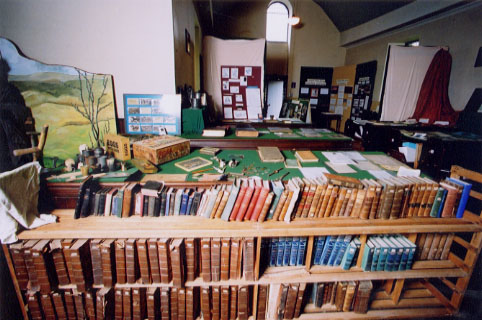
Indexes to the old parish register for Crawfordjohn are arranged alphabetically by surname and include examples of births, marriages and family connections.
The museum has transcripts or prints from Crawfordjohn censuses from 1841 to 1901, including extracts and household entries.
A combined index covers entries from 1841 to 1891, helping researchers track a person across different census years.
Monumental inscriptions from Crawfordjohn Churchyard record names, dates, family relationships and memorial details.
Mortcloth records relate to burial customs and payments, and can provide another route into parish family history.
The communicants’ roll book from 1867 to 1909 records attendance, changes of address, admissions and removals from the roll.
Family history charts donated by members help connect names, places and generations linked to Crawfordjohn.
The museum also references the 1891–1892 Valuation Roll, which can help identify people, properties and local occupation.
The museum has a transcription and index of Roberton Churchyard stones up to the year 2000, useful for people connected with Crawfordjohn and Abington.
The examples below show the type of information found in the museum’s family history resources. They can help researchers follow names, places, family relationships and movement across the parish.
23 Jul 1744 — John Renton, Mosscastle & Margaret Wilison, son baptised Robert
25 Feb 1807 — William Watson, Holmhead & Hannah Colthart, daughter born Hellen
4 Jun 1757 — James White & Kathren Porteous, proclamation
Dalglish Robert, age 8, born LKS Crawfordjohn, book 5, schedule 12
Dalglish Robert, age 10, born LKS Lesmahagow, book 2, schedule 4
Dalziel John, age 50, born LKS Douglas, book 7, schedule 46
A combined index covering 1841–1891 can help trace a person across several census years. For example, Robert Milligan appears at ages 2, 12, 22, 32, 41 and 52 across successive census entries.
Erected by David Coke in loving memory of his wife Marion Lammie, who died at Craigend, Carluke, 20 Feb 1903 aged 71 years. David Coke died 24 May 1909 aged 78 years.
William Williamson of Strancleugh died 20 Oct 1809 aged 88 years; Agnes Niblo, his spouse, died 7 Jun 1823 aged 85 years; John Williamson of Strancleugh died 8 Apr 1843 aged 80 years.
1758 — John Milliken, Snar, one of his children
1786 — Jon Milliken
1756 — David Mitchel, his coffin
1753 — David Mitchell, Netherton, his wife’s coffin
1842 — Anne Moffat, her coffin
The Communicants’ Roll Book from 1867–1909 can include changes of address, admissions to the roll and removals from the roll.
Marion Lindsay, daughter of William Lindsay, Mountherrick: married, now Mrs D French, Netherton
Richard Carmichael, Mossbank: removed to Douglas, 1.7.1891
William Steel, Duneaton Braehead: admitted from Dolphinton, June 1890
The parish of Wiston and Roberton lies just to the east of Crawfordjohn. A number of people connected with Crawfordjohn, especially from the Abington area, are buried at Roberton. The museum has a transcription and index of stones up to the year 2000.
Farming & Rural Life
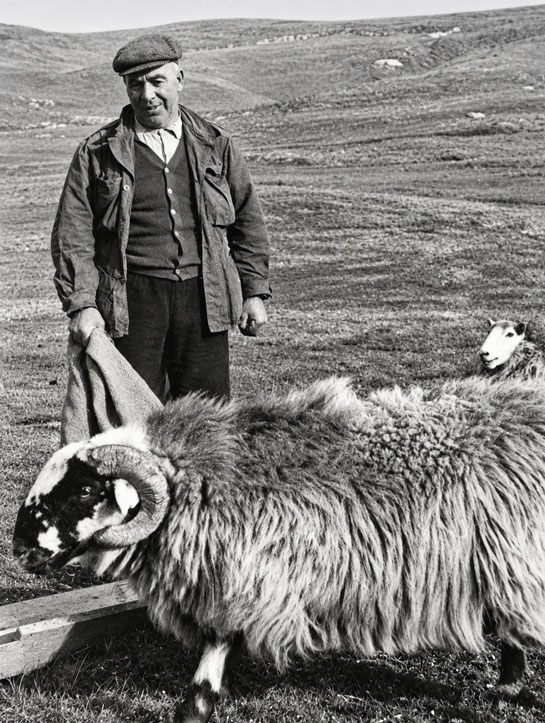
Crawfordjohn’s history is closely tied to hill farming, shepherding and the rhythms of rural working life. Generations of local families lived and worked among the hills, caring for sheep, cattle and land shaped by weather and season.
Farming has changed over time, with mechanisation, changing employment and commuting altering the shape of village life. Even so, the surrounding land remains central to Crawfordjohn’s identity.
Objects such as farming tools, shepherding equipment, photographs, clothing and local stories help preserve the memory of this rural working landscape.
Visit the museum to explore photographs, records, artefacts and memories from Crawfordjohn’s past.