Archives & Records
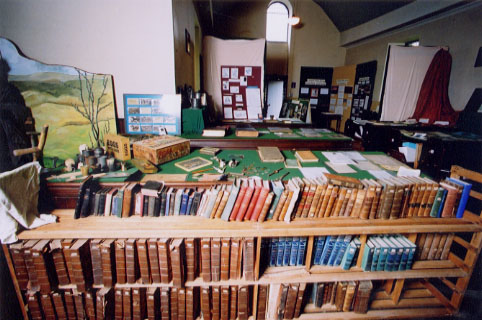
Family history material, parish records, photographs, indexes and documents connected with local people and places.
Discover the collections, photographs, oral histories and local stories preserved by Crawfordjohn Heritage Venture Museum.
Museum Story
When Crawfordjohn Church was first purchased from the General Trustees of the Church of Scotland in 1988, discussions began about creating a lasting project for the village and surrounding area.
Ideas included a local history centre, handmade items, storytelling and the recording of memories from local people. Over time, these ideas developed into Crawfordjohn Heritage Venture Museum.
The museum opened in the early 1990s and is now home to hundreds of items, photographs, records and memories connected with Crawfordjohn and its surrounding communities.
Volunteers and Friends
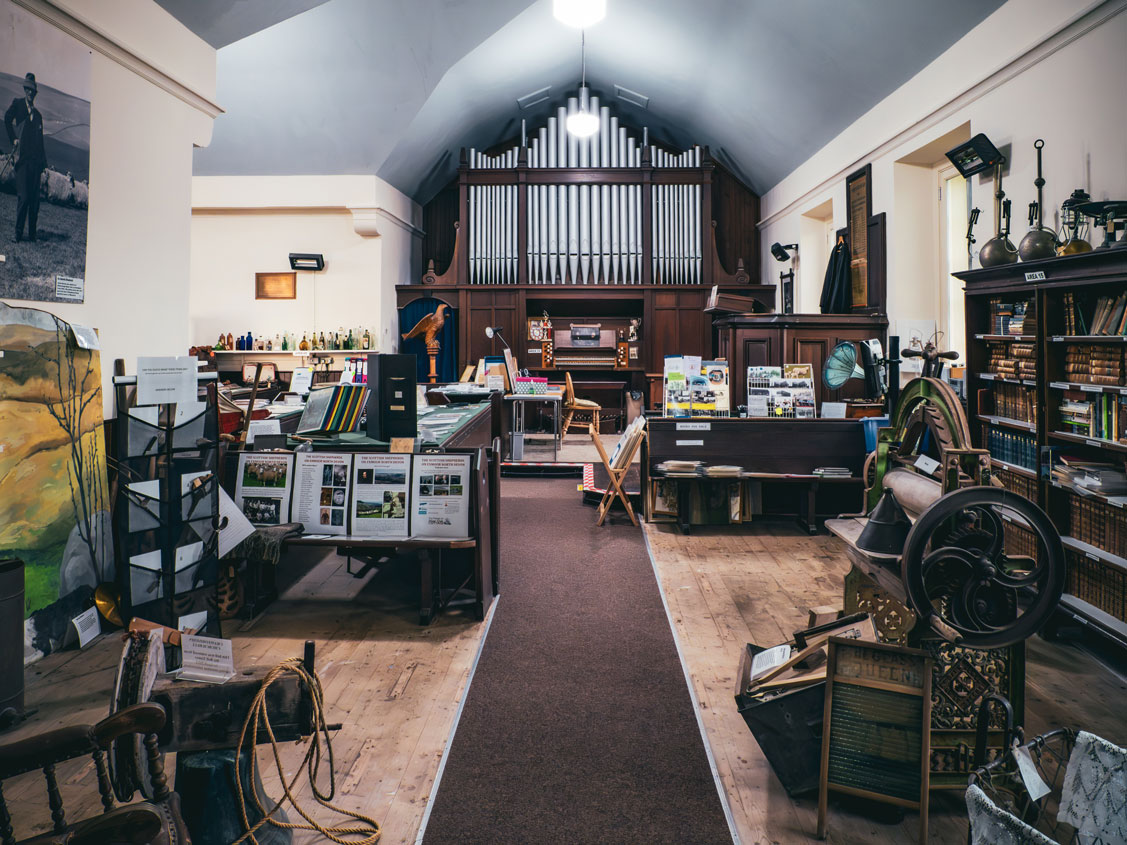
Coaxed, guided and chivvied by professionals, often in their spare time, the volunteers created an Association of Friends of Crawfordjohn Heritage Venture.
The museum has been well supported by tourists and returning expatriates, but the core of local volunteers has worked extremely hard. They are the lifeblood of the museum.
After an enormous amount of work, the museum achieved registration in 2004 and full accreditation with Museums Galleries Scotland in 2011.
The museum is self-supporting and independent. There are no grants available for running costs, so fundraising is an ongoing challenge, and more volunteers are always sought and welcomed.
Family history material, parish records, photographs, indexes and documents connected with local people and places.
Everyday objects, farming tools, household items and artefacts that tell the story of rural life.
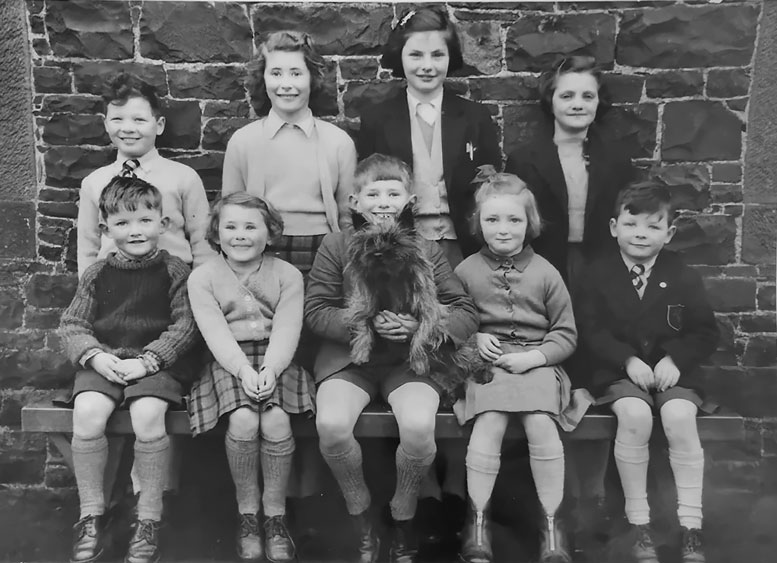
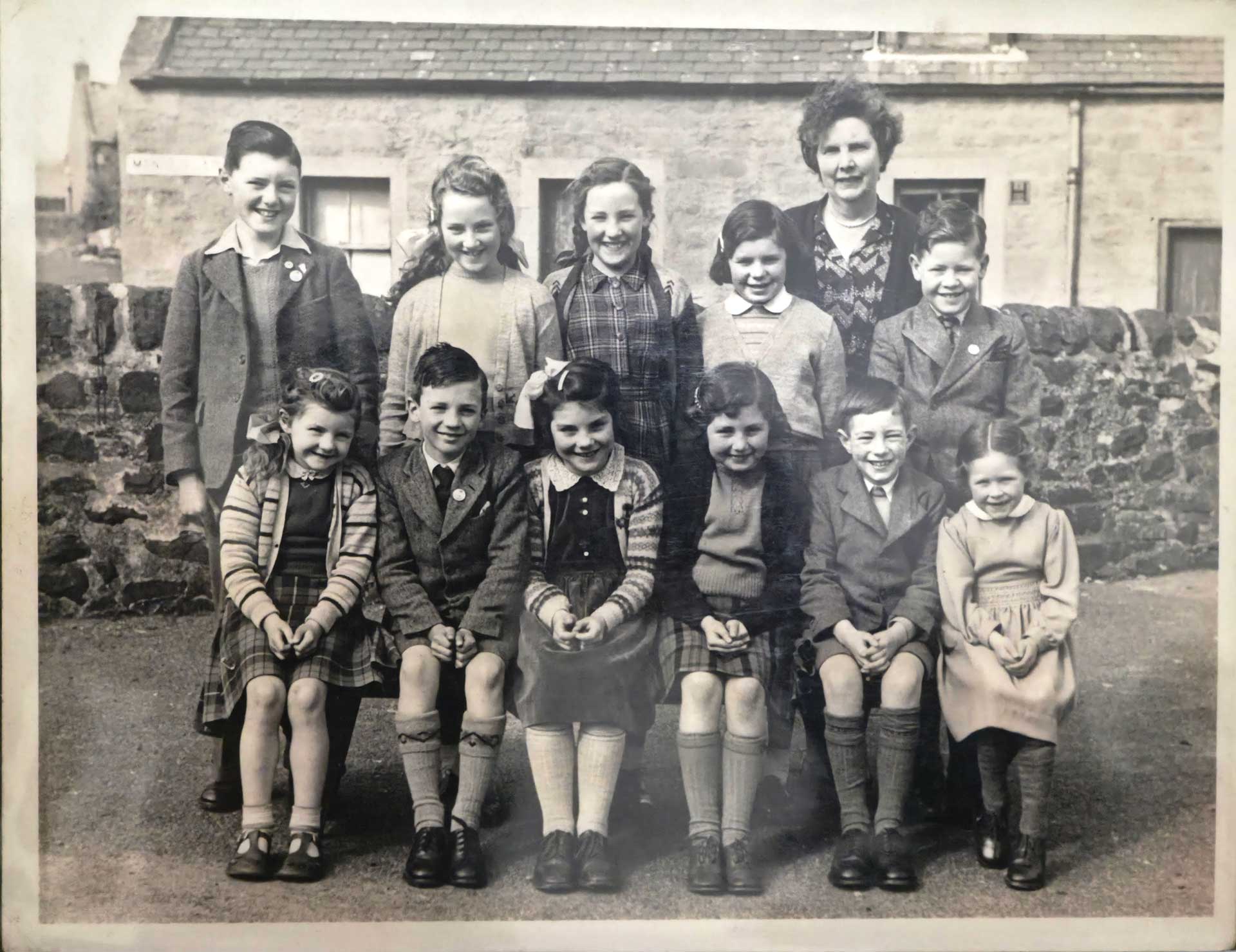
Images of village life, local people, farming, school journeys, shops, work and community activities.
The museum picture collection includes photographs of Crawfordjohn, local farms, village life, rural work and everyday moments from the surrounding area.
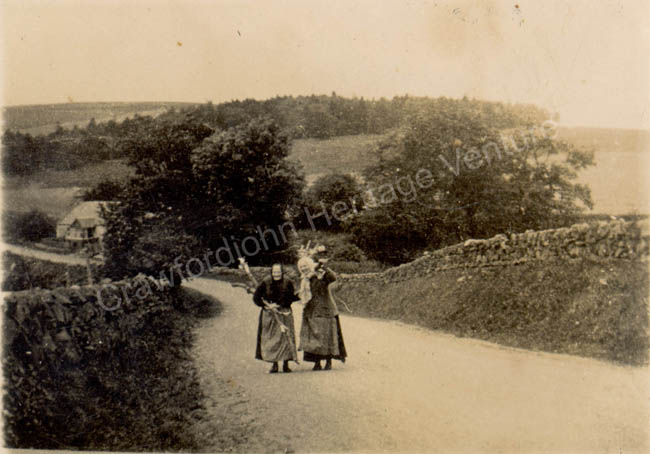
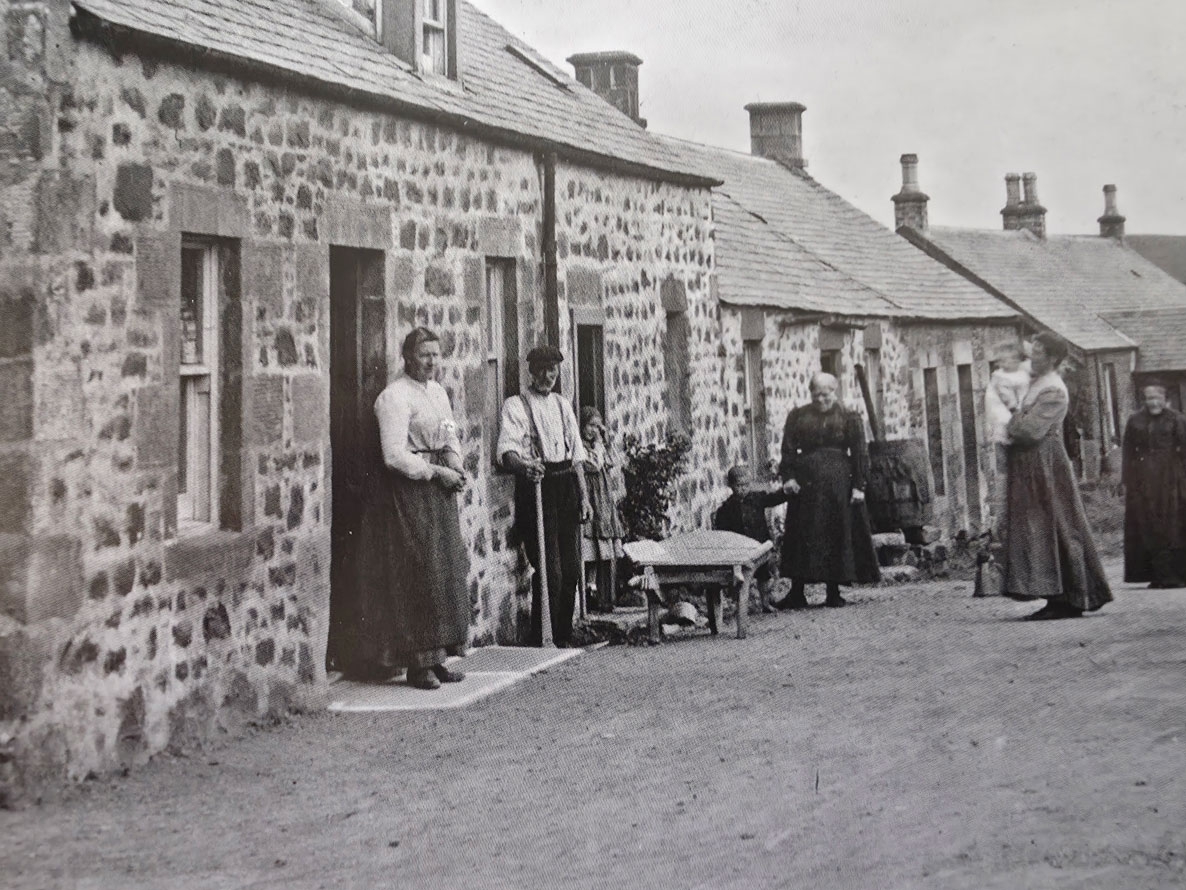
Four roads lead into Crawfordjohn village, each known by a local name. This photograph shows Stumpy Road, about 1910.
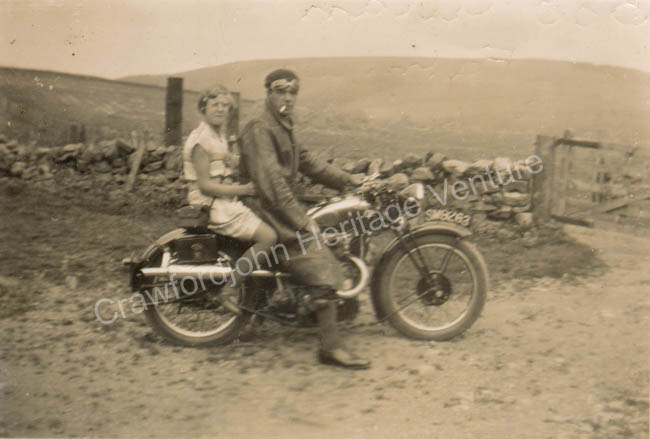
Bob Allan and Jean Alexander at Liscleugh Farm, 1938. A glimpse of changing transport and rural life in the area.
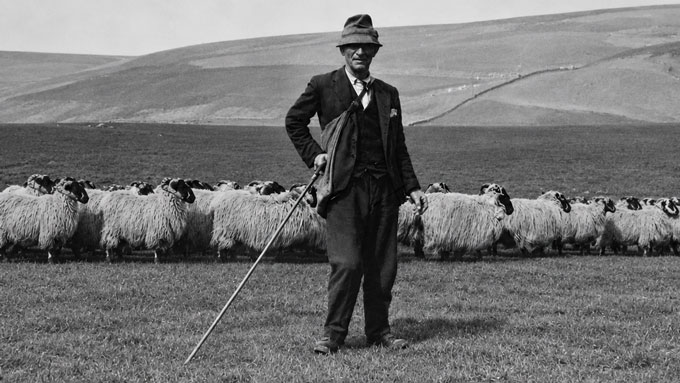
Jimmy McKay, who shepherded at Glenscleugh Mains Farm, Crawfordjohn, in the 1950s.
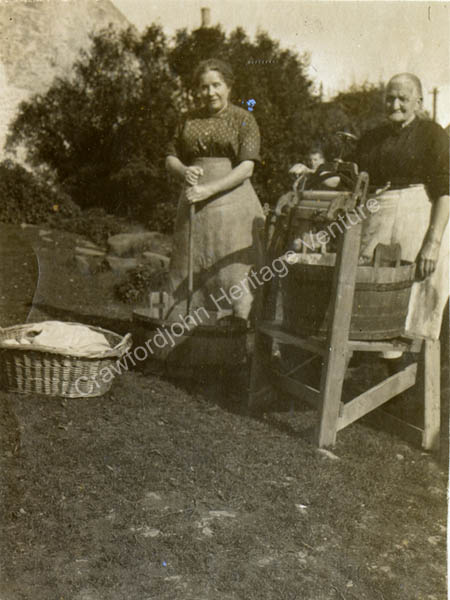
A photograph from Crawfordjohn village in the 1920s, showing domestic work before modern washing machines.
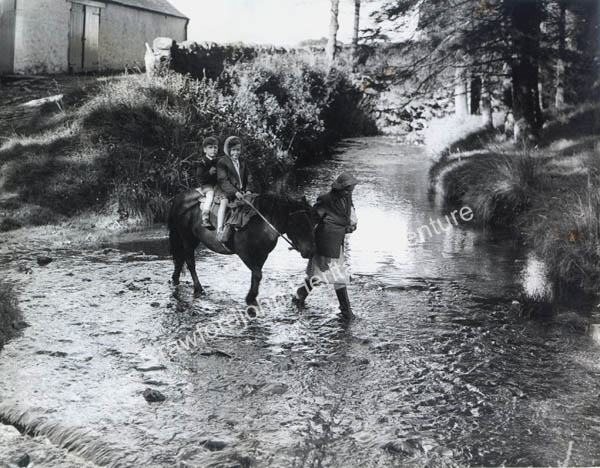
Children from Glendorch crossing water on their way to Crawfordjohn School in August 1954.
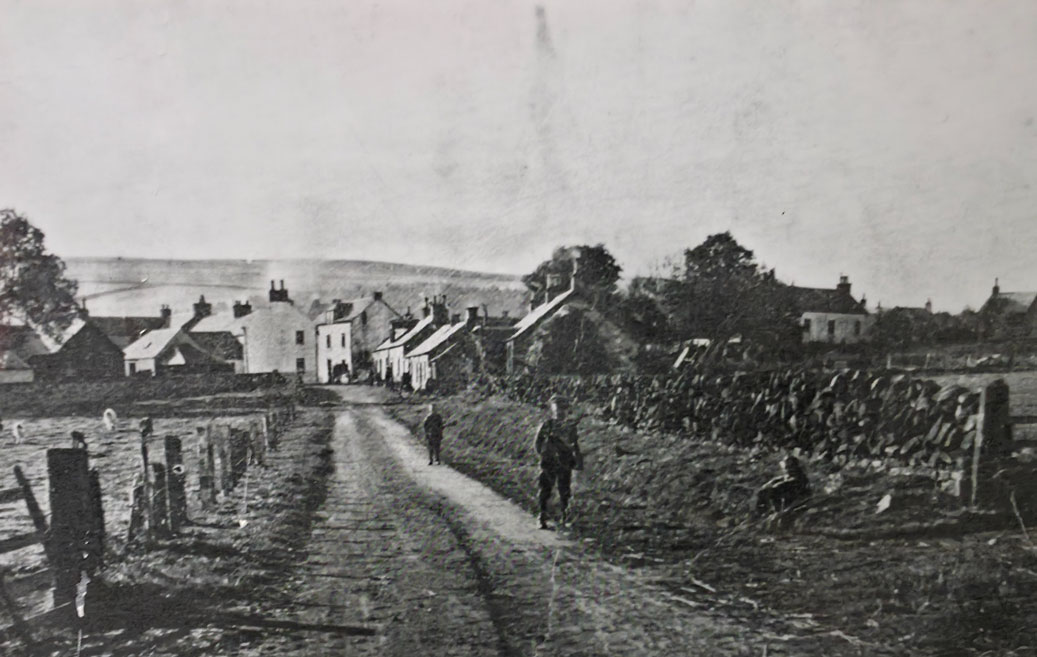
Photographs preserve the changing village, local farms, roads and the wider rural landscape.
The collection includes objects from homes, farms and rural working life, each helping to preserve a small part of Crawfordjohn’s past.
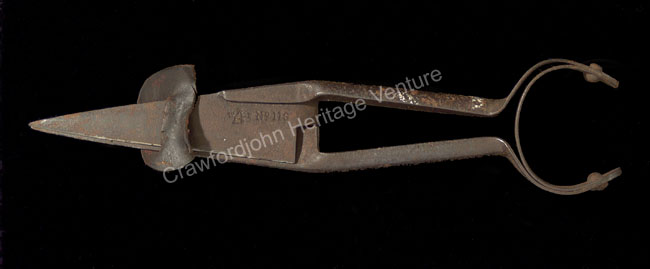
A set of hand sheep shears from Normangill, Crawford, dating from around 1900–1950. These were used before faster mechanical shears became common.
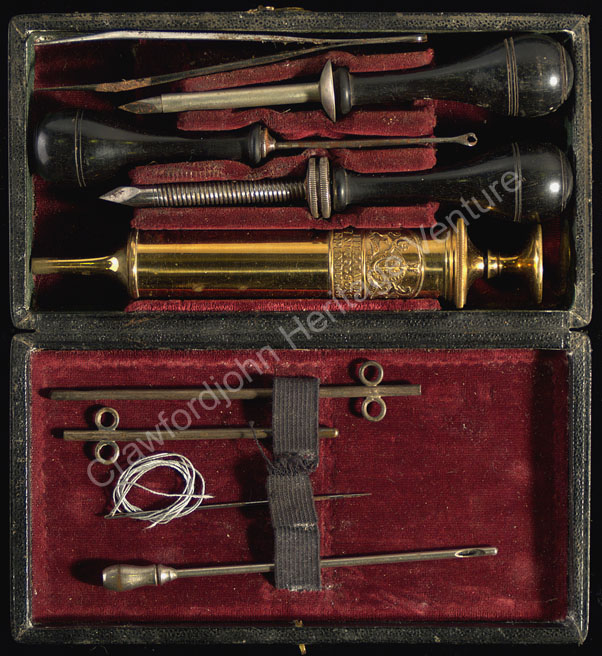
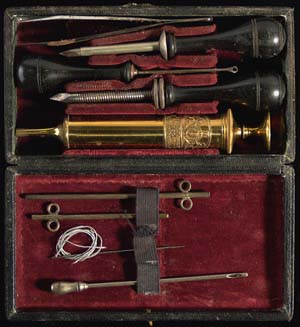
A boxed set of veterinary tools used for treating Sturdy, a disease once common in sheep. Before motor transport, calling a vet was not always possible.
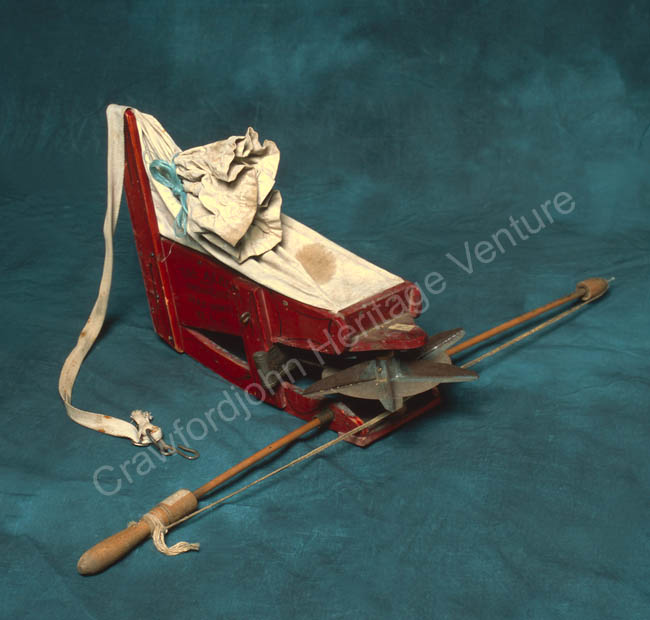
A seed fiddle from Normangill, Crawford, dating from around 1910–1940. It was used for sowing grass seed across pasture land.
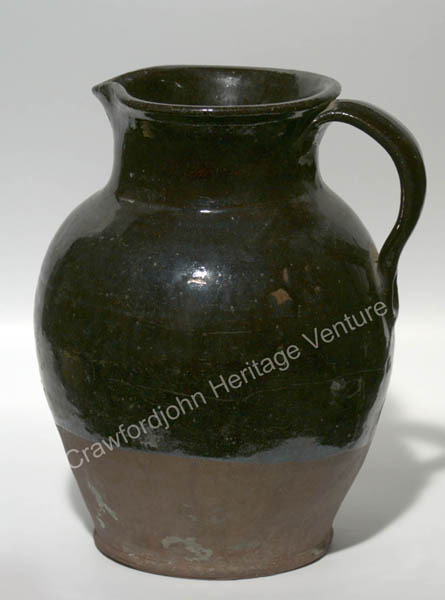
An earthenware jug from Glendouran, Crawfordjohn, dating from around 1800–1820. Jugs like this were often used in the dairy or to hold milk for family use.
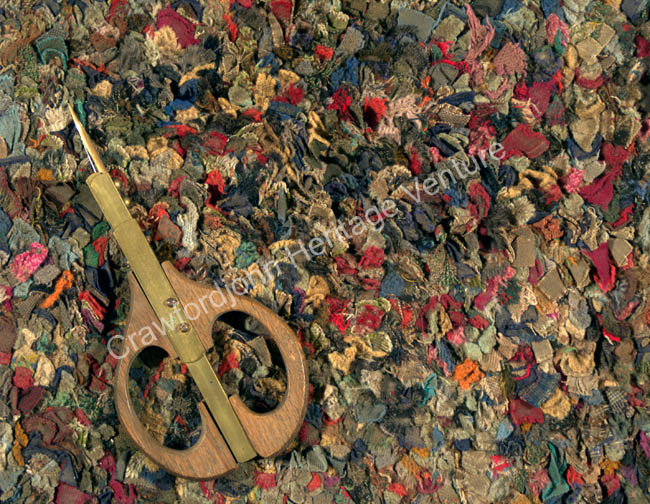
A rag rug from Debog, Glespin, and a rug-making tool from Monksfoot, Glespin, dating from around 1930–1950 and 1940–1960.
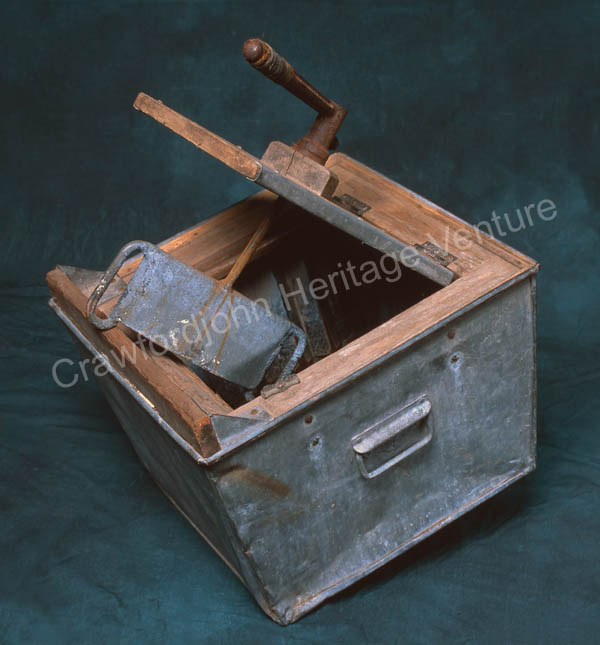
A hand-operated washing machine from Glendorch, Crawfordjohn, dating from around 1900–1955. It shows how hard domestic work could be before electric machines.
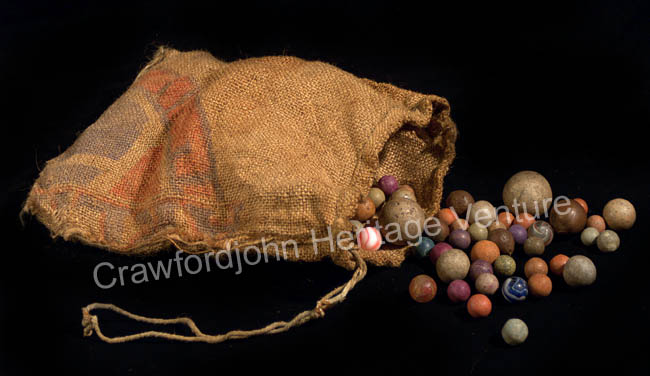
A bag of marbles from Monksfoot, Glespin, dating from around 1900–1930. Marbles were once a common children’s game with many local variations.
Current Museum Project
The pipe organ at Crawfordjohn has been part of the building for more than a century. Installed in spring 1912, it was built by Henry Hillsen of Glasgow and is believed to have been the first organ he built and installed.
The instrument remained in use until around 1983–84. After Crawfordjohn Church closed in 1987, the organ became part of the heritage preserved by Crawfordjohn Heritage Venture. Before the building was converted for museum use, the instrument suffered from plaster, dust and debris associated with a roof collapse and subsequent building work.
In summer 2026, the organ was carefully dismantled and removed so that specialist repair and restoration work could be carried out. The project aims to preserve this important part of Crawfordjohn’s musical and community heritage and, where possible, return the instrument to use.
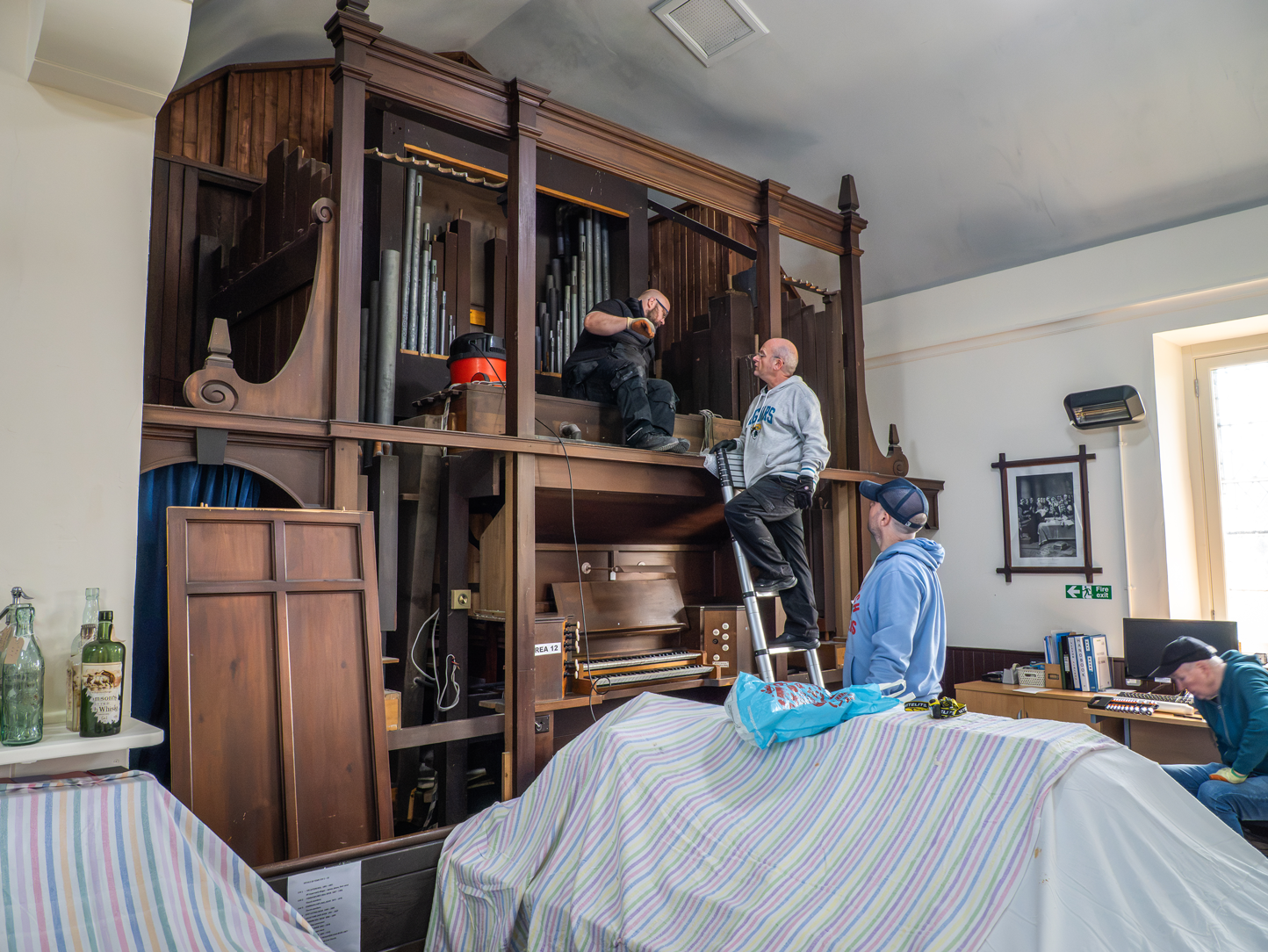
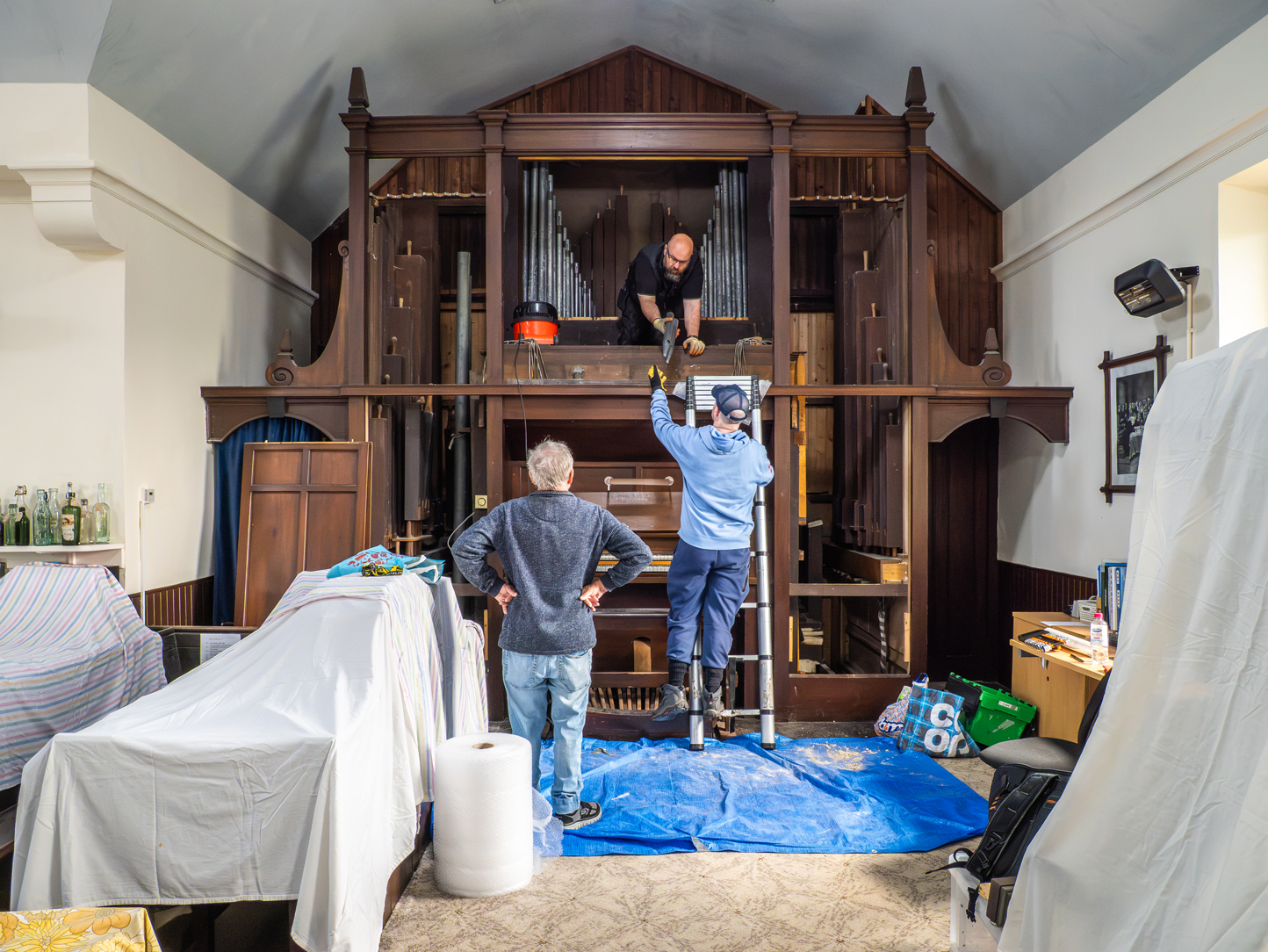
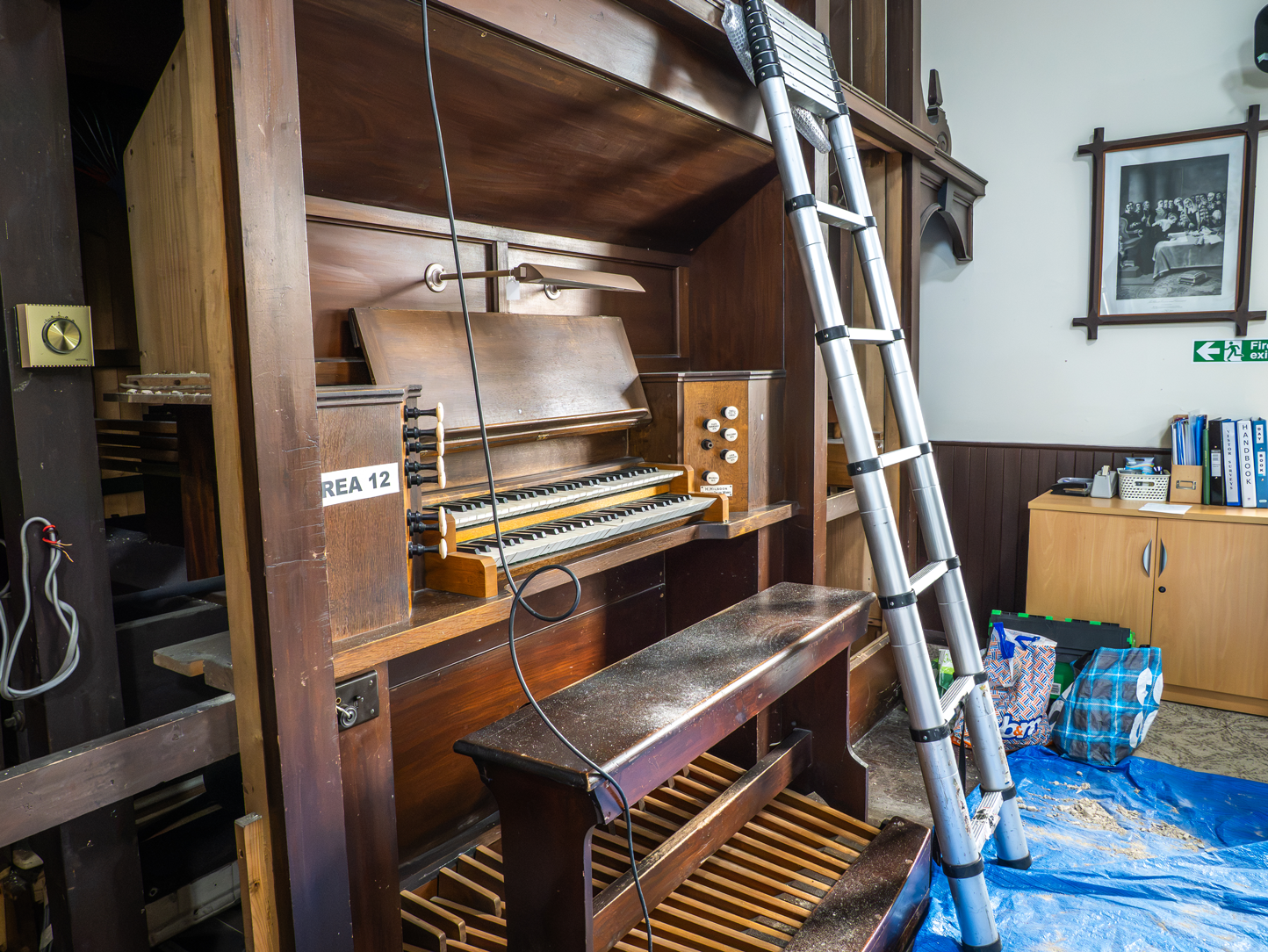
A glimpse behind the scenes as the organ was dismantled and removed for restoration, with museum volunteer Andrew sharing some of its history.
Past Museum Projects
Museum projects have included exhibitions on curling, spoken history recordings, music in the hills, and the life and work of Sadie McLellan.
The curling exhibition documents a popular local sport, including photographs, medals, newspaper cuttings and curling stones made in the local Craighead Quarry.
Other projects have recorded stories from within the community and explored rural life, music, farming and local traditions.

The museum’s Oral History Project recorded local memories and life stories from people connected with Crawfordjohn and the surrounding area.
The examples below are available as downloadable media files. They may not play directly in every browser, so downloading is usually the safest option.
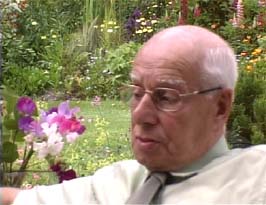
Born in Crawfordjohn in 1918, John Muir was a respected local historian of life in an Upperward village.
Interview duration: 42 minutes. Excerpt: approximately 1 minute.
Download John Muir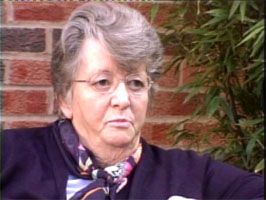
Bunty Walker farmed at Craighead, where her father’s family had farmed before her. She later farmed at Greenfield, Crawfordjohn.
Interview duration: 50 minutes. Excerpt: 1 minute 30 seconds.
Download Bunty WalkerA family connection
Crawfordjohn has a family connection with John Muir, the Scottish-born naturalist and conservationist who later became closely associated with the preservation of wilderness in the United States.
John Muir’s father, Daniel Muir, was orphaned when he was very young and spent part of his childhood and youth in Crawfordjohn parish, where he was raised by relatives and worked on the land.
Daniel later left Crawfordjohn, eventually settling in Dunbar. John Muir was born there in 1838 before the family emigrated to the United States in 1849.
Crawfordjohn Heritage Venture Museum includes material relating to the Muir family and their connection with the area.
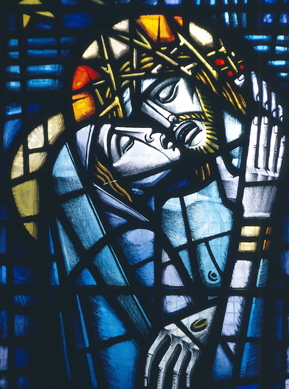
Sadie McLellan
Sadie McLellan worked and lived in Crawfordjohn with her husband and fellow artist Walter Pritchard between 1971 and 1989.
Her workshop was the old Crawfordjohn United Free Church. Research materials, slides and photographs relating to her life and work were later gifted to the museum.
The exhibition includes pictures, slides and presentation material showing Sadie’s stained glass work, which can be found in churches and buildings across Scotland.
Community audio archive
From September to November 2008, pupils from Crawfordjohn Primary School worked with Crawfordjohn Heritage Venture Museum on a storytelling project.
The project invited pupils to describe museum objects, interview members of the local community and record stories about their local area.
The original project images are no longer available, but the surviving audio recordings have been preserved as part of the museum’s digital archive.
Plan your visit to explore the museum, photographs, records, objects and local stories.